“The only disability in life is a bad attitude.” -Scott Hamilton

"The only disability in life is a bad attitude." - Scott Hamilton
Showing posts with label Article. Show all posts

Wednesday, April 10, 2013

ESPN Profile

ESPN To Profile Man With Down Syndrome


By  

A 30-year-old with Down syndrome proved so inspirational to the Cincinnati Reds during a stint as a batboy that he will soon be the subject of an ESPN profile.
It took just one game last summer for Ted Kremer to make his mark on Major League Baseball. Working as an honorary batboy, Kremer’s infectious energy livened the dugout and helped propel the team to victory after they initially trailed in the game.
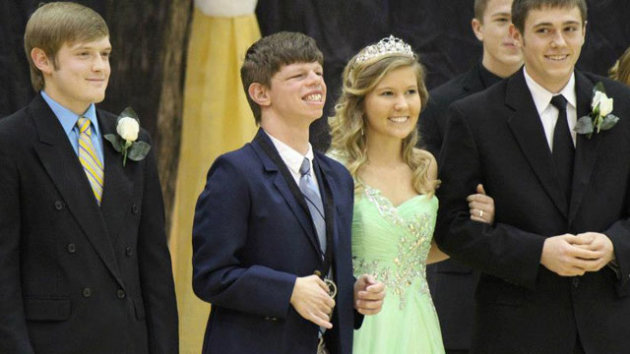
Last week he was back for the team’s opening night, escorting Miss Ohio and Miss Teen Ohio with a film crew in tow. ESPN plans to air an “E:60″ profile on Kremer this fall highlighting the connection he has made with the Reds’ players.
“I hadn’t seen Teddy since he bat-boyed for us last year, and he came in here (before the game) and was giving hugs and high-fives and pumpin’ us up again,” one player told the Cincinnati Enquirer. “I told somebody that if Teddy’s your batboy, you could take an 0-for-6 (at the plate), and you’d never even think about it because he puts you in such a good mood.”

Until Next time!
Lots of Love,
 

Monday, February 25, 2013

Robert Saylor's Death Ruled A Homicide

Robert Saylor's Death Ruled A Homicide: Man With Down Syndrome Died In Police Custody
By Simon McCormack
Courtesy of The Huffington Post

The death of a man with Down syndrome who was reportedly killed after lying face-down in police custody has been ruled a homicide.
WJLA reports that Robert Saylor, 26, of New Market, Md., was asphyxiated on Jan. 12, according to a medical examiner's ruling late last week.


A "law enforcement source familiar with the case" told the station that Saylor "went into distress when he was put face down on the ground."
Police were reportedly called to a Frederick movie theater by employees who couldn't get Saylor to leave. He had come to the theater with a health aide, paid admission for "Zero Dark Thirty," but allegedly remained after it was over.
Dr. George Kirkham, a criminologist and former law enforcement officer, told the Frederick News Post that Saylor's death may have been caused by positional asphyxia.
From the Post:
Positional asphyxia is typically the result of an intense struggle and often involves a person who is handcuffed and lying on their stomach after the struggle. Kirkham said people often panic and can't catch their breath. People with larger stomachs are particularly vulnerable, he said, because their bellies will push into their sternums, making breathing even more difficult.
Frederick County Sheriff's Office spokesperson Jennifer Bailey said the case is still under investigation and that the three officers involved in Saylor's death -- Lt. Scott Jewell, Sgt. Rich Rochford and Deputy First Class James Harris -- "continue to work their normal assignments," according to the Post.
Frederick County State's Attorney Charlie Smith said his office is reviewing the incident and has not decided whether to bring charges.
WJLA previously spoke with Saylor's mom after the incident.
"He just loved unconditionally everybody," Patti Saylor said. "He has never had anyone put their hands on him in his life. He would not have been doing anything threatening to anybody."
Police officers nationwide often lack appropriate training for dealing with suspects who have special needs, according to a study by Crisis Intervention Team International.
Other research by disability advocacy groups has found that "law enforcement officers often receive little or no training in the area of intellectual and developmental disabilities and have difficulty recognizing a person who has this disability."

Terrible.  An absolute tragedy for his family.
Until Next Time.
Lots of Love,


Monday, February 18, 2013

My Brother Used to Have DS

My Brother Used to Have Down Syndrome  
 
By: Eva Glettner
Courtesy of The Huffington Post
I'm not going to lie. When I was little, I remember thinking "I wish I didn't have to bring Jacob along" to movies, the park, anywhere. But that thought was fleeting because my friends were so welcoming and loving. They would ask "are you bringing Jacob?" They looked past his speech impediment and his somewhat awkward gait and just saw him for what he is: absolute goodness. If anyone in public ever made Jacob feel uncomfortable, my friends and his friends were the first to step up. As my parents carted him to various therapies and doctors appointments, Jacob continued to get more and more awesome. His favorite movie growing up was "Muppets Take Manhattan" and we both learned the dialogue by heart after one-too-many viewings. "You hear that New York, the frog is staying!" was a quote that, to this day, is still stuck in my head.
 
Jacob really is taking the world by storm as we all knew that he would. He's a big social media guy and let it be known that he invited me to join his Google Plus circle before I even set up an account. He has over 1,000 Facebook friends and that number grows by the minute. When one of my blogs was entered into a contest, he rallied up enough votes for me to win the thing. Jacob is a powerhouse.
He is so great with his niece and nephews. The greatest thing about children is that they see him for who he is (as my dear childhood friends taught me many moons ago). They welcome him, they smile with him and they laugh. Oh, what a laugh. When Jacob smiles, it is more of a guffaw. My children have asked me why "Uncle Jakie" as he is affectionately called, "speaks different." I remind them that we all have different struggles and needs and that's what makes us special. I like the term "special needs" so much more than "disabled." Jacob isn't "dis" anything.
 
Jacob has taken his driver's written permit test thirteen times. But he does not give up. He studies the practice tests daily. It is his hope to one day drive a car, even though I have told him countless times that there is nothing worse than driving in LA. He's also stubborn. He will only go to special needs events if he is the counselor. You see, according to Jacob, he "used to have Down Syndrome when he was little." He's outgrown it and I love him for that. He works at a local private school, and he lists his job title as "Assistant Director" on his Facebook page. And you and I know that he is such a valued asset to the team, next year he might be promoted to Director.
 
I don't tell him enough how truly cool he is. Jacob, you are most certainly the man. I have four brothers and we all agree that Jacob is the most responsible and organized sibling of the bunch. No doubt about it. Thanks for continually reminding us what's important in life. Keep laughing, bro.
 
I thought this was a nice article.
Until Next Time!
Lots of Love,

Wednesday, January 30, 2013

Homcoming King

Tennessee Homecoming King Nominees Give Crown to Another Teen

Three Tennessee homecoming king nominees made a unanimous and touching decision that no matter who won, they would give the crown to a beloved student with a genetic condition.
 
Students Jesse Cooper, Drew Gibbs and Zeke Grissom were all nominated for homecoming king at Community High School's basketball homecoming ceremony.

The teens got together and decided that the winner would turn over the honor to junior Scotty Maloney, who has Williams Syndrome, a neurological disorder that inhibits learning and speech.
"I've been blessed with so many things," Cooper told ABC News' Nashville affiliate WKRN-TV. "I just wanted Scotty to experience something great in his high school days."

"He's always happy, so he deserves some recognition for who he is," Gibbs said

Cooper won the popular vote for king, but when the official announcement was made at a Friday ceremony, the principal told the crowd what the nominees had decided to do.

"When they called [Scotty's] name, his eyes got really big and I don't know that he registered exactly what was happening. He knew something was," Maloney's teacher Liz Hestle Gassaway told ABCNews.com. "It was very, very emotional."

The crowd erupted with cheers and Maloney got a long standing ovation, WKRN reported, as he was awarded his "King" medal.

"It was just a ton of emotion from everybody," Grissom told WKRN. "I think I saw Scotty shed a few tears. I know Jesse was pretty emotional. We were all emotional out there on the court."

Maloney is a beloved teen in his school and in the community, Gassaway said.

"Scotty is fabulous. He is a superstar. He knows everybody. There's not one person that Scotty does not know," she said. "To know him and meet him is to love him."

Gassaway believes that the nearly 500-student school in Unionville, Tenn., is "one of the best schools in the world when it comes to dealing with special needs children."

Students like Cooper help out in special needs gym classes and other activities. Gassaway said the boys' gesture toward Maloney sent a greater message.

"We want people to have more empathy towards people, not be scared of people with disabilities," she said. "We want them to embrace them, more like the boys did."

Next year Maloney will get to crown the school's new homecoming king. But for now, he is proudly sporting his medal everywhere he goes.

"He's been wearing his medal around," Gassaway said with a laugh. "He is not here today because he had a doctor's appointment, but I'm sure he has his medal on."

What is Williams Syndrome?
Courtesy of www.williams-syndrome.org

Williams syndrome is a genetic condition that is present at birth and can affect anyone. It is characterized by medical problems, including cardiovascular disease, developmental delays, and learning disabilities. These occur side by side with striking verbal abilities, highly social personalities and an affinity for music.
WS affects 1 in 10,000 people worldwide – an estimated 20,000 to 30,000 people in the United States. It is known to occur equally in both males and females and in every culture.
Unlike disorders that can make connecting with your child difficult, children with WS tend to be social, friendly and endearing. Parents often say the joy and perspective a child with WS brings into their lives had been unimaginable.
 
But there are major struggles as well. Many babies have life-threatening cardiovascular problems. Children with WS need costly and ongoing medical care, and early interventions (such as speech or occupational therapy) that may not be covered by insurance or state funding. As they grow, they struggle with things like spatial relations, numbers and abstract reasoning, which can make daily tasks a challenge. And as adults, most people with WS need supportive housing to live to their fullest potential. Many adults with WS contribute to their communities as volunteers or paid employees, for example working at senior homes and libraries or as store greeters or veterinary aides.
Just as important are opportunities for social interaction. As people with WS mature – beyond the structure of school and family activities – they often experience intense isolation which can lead to depression. They are extremely sociable and experience the normal need to connect with others; however people with Williams syndrome often don’t process nuanced social cues and this makes it difficult to form lasting relationships.
 
I can only hope that Raymond has kind and understanding kids around him when he is in high school.  One thing that worries me more then probably anything else, is that kids will be mean or cruel to Raymond.  This article makes me realize that with constant peer-education, staff support and an inclusive education, other children can learn to be understanding and generous.  I don't think those three boys can even begin to grasp the magnitude this gesture has had, and will have, on this young man.
 
Until Next Time!
Lots of Love,
 

Monday, January 28, 2013

A Waiter Who Took A Stand!

www.dailymail.co.uk 
 
The waiter praised for REFUSING to serve man who made vile remark and complained about being seated near Down syndrome child 
 By David Mccormack 

A waiter at a steakhouse in Houston, Texas has won a lot of fans after refusing to serve a customer who made a cruel comment about a special needs child that he didn’t wish to be seated near. 

The incident took place at Laurenzo’s, where Michael Garcia has been working for more than two years and enjoys a good rapport with many of his regular customers. 

On Wednesday night he greeted two groups of regulars - Kim Castillo and her family, including five-year-old Milo who has Down syndrome, and another group who sat in the adjacent booth.

Support is flowing in from all over, thanking Michael Garcia for taking a stand for a special needs child
Milo

Michael Garcia has been working for more than two years at Laurenzo's in Houston, Texas

Michael Garcia has been working for more than two years at Laurenzo's in Houston, Texas
Not long after Garcia seated the second family they requested to be moved. Garcia duly obliged, until he heard the man say, 'Special needs children need to be special somewhere else.'
Garcia was thrown by the cruel remark and couldn't believe that the man had said it in front of his own children. Although worried that he might lose his job, Garcia felt he had to something.
‘It was very disturbing,’ he told ABC13. ‘My personal feelings just took over and I told this man, 'I'm sorry, I can't serve you.'" 

That family quickly left, but not before Garcia told him: 'How could you say that? How could you say that about a beautiful five-year-old angel?
 
Kim Castillo says she noticed the family leaving, but didn’t think anything else about it until one of Garcia’s co-workers told them what had happened.
 
'If he had been obnoxious, which like any other five-year-old he can be, I wouldn’t have thought twice about the family asking to move,' she said. 

Kim Castillo and young son Milo, she said he shouldn't be discriminated against because he has Down syndrome
Kim Castillo and young son Milo, she said he shouldn't be discriminated against because he has Down Syndrome

'No one wants to sit next to a loud, disruptive child but it had nothing to do with him having special needs. He is just a kid and shouldn’t be discriminated against. He certainly didn’t ask to be born with Down’s syndrome.'
Castillo also said that she was very grateful for Garcia standing up for her young son.
‘I was really impressed that Michael would stand up for Milo,’ said Castillo. 'He really doesn't know us … he stood up for Milo just because it was the right thing to do.'
Castillo said she was worried that Garcia might lose his job, but the restaurant stood behind his decision.
In fact Garcia has received a lot of praise for his actions after the story was featured on local TV and blogs. The restaurant’s Facebook page been inundated with people leaving comments of support for his brave stand about prejudice.
Gracious Garcia has also said that if the other family who made the ill-conceived remarks return, he will serve them just like anyone else. 
 
Waiter Michael Garcia described five-year-old Milo Castillo as a 'little angel'

GOOD FOR HIM!!!  It warms my heart to know there are still good people out there willing to stand up for others.

Until Next Time!
Lots of Love,

Monday, November 26, 2012

DS Article

This is fascinating!  It could lead to some amazing things!

Extra Chromosome 21 Removed From Down Syndrome Cell Line

November 9, 2012

University of Washington scientists have succeeded in removing the extra copy of chromosome 21 in cell cultures derived from a person with Down's syndrome. In Down syndrome, the body's cells contain three copies of chromosome 21, rather than the usual pair.
A triplicate of any chromosome is a serious genetic abnormality called a trisomy. Trisomies account for almost one-quarter of pregnancy loss from spontaneous miscarriages, according to the research team. Besides Down syndrome (trisomy 21), some other human trisomies are extra Y or X chromosomes, and Edwards syndrome (trisomy 18) and Patau syndrome (trisomy 13), both of which have extremely high newborn fatality rates.
In their report appearing in the Nov. 2 edition of Cell Stem Cell, a team led by Dr. Li B. Li of the UW Department of Medicine described how they corrected trisomy 21 in human cell lines they grew in the lab. The senior scientists on the project were gene therapy researchers Dr. David W. Russell, professor of medicine and biochemistry, and Dr. Thalia Papayannopoulou, professor of medicine.
The targeted removal of a human trisomy, they noted, could have both clinical and research applications. In live births, Down syndrome is the most frequent trisomy. The condition has characteristic eye, facial and hand features, and can cause many medical problems, including heart defects, impaired intellect, premature aging and dementia, and certain forms of leukemia, a type of blood cancer.
This is Dr. David Russell, University of Washington hematology and genetics researcher.
(Photo Credit: University of Washington )
 
"We are certainly not proposing that the method we describe would lead to a treatment for Down syndrome," Russell said. "What we are looking at is the possibility that medical scientists could create cell therapies for some of the blood-forming disorders that accompany Down syndrome."
For example, he said, someday Down syndrome leukemia patients might have stem cells derived their own cells, and have the trisomy corrected in these lab-cultured cells. They could then receive a transplant of their own stem cells – minus the extra chromosome – or healthy blood cells created from their fixed stem cells and that therefore don't promote leukemia, as part of their cancer care.
He added that the ability to generate stem cells with and without trisomy 21 from the same person could lead to better understanding of how problems tied to Down's syndrome originate. The cell lines would be genetically identical, except for the extra chromosome. Researcher could contrast, for example how the two cell lines formed brain nerve cells, to learn the effects of trisomy 21 on neuron development, which might offer insights into the lifelong cognitive impairments and adulthood mental decline of Down syndrome.
Similar comparative approaches could seek the underpinnings of untimely aging or defective heart tissue in this genetic condition.
The formation of trisomies is also a problem in regenerative medicine research using stem cells. Russell and his team observed that their approach could also be used to revert the unwanted trisomies that often arise in creating stem cell cultures.
Figuring out the exact techniques for removing the extra chromosome was tricky, Russell said, but his colleague Li worked hard to solve several challenges during his first attempts at deriving the engineered cell lines. "Dr. Li's achievement was a tour de force," Russell said.
The researchers used an adeno-associated virus as a vehicle to deliver a foreign gene called TKNEO into a particular spot on chromosome 21, precisely within a gene called APP, which sits on the long arm of the chromosome. The TKNEO transgene was chosen because of its predicted response to positive and negative selection in specific laboratory growth mediums. When grown in conditions that selected against TKNEO, the most common reason for cells to survive was the spontaneous loss of the chromosome 21 harboring the transferred gene.
Other survival tactics were point mutations, which are single, tiny alterations in DNA base pairs; gene silencing, which meant TKNEO was "turned off" by the cell; or deletion of the TKNEO.
Russell explained a key advantage of this technique for getting rid of the entire extra chromosome: Once it was gone, nothing was left behind. "Gene therapy researchers have to be careful that their approaches do not cause gene toxicity," he said.
This means, for example, that removal of a chromosome must not break or rearrange the remaining genetic code. This method shouldn't do that."
Dr. Li Li at the University of Washington developed methods for removing the extra chromosome from cultured cells with the Down syndrome mutation.
(Photo Credit: University of Washington )
 
Until Next Time!
Lots of Love,

Wednesday, October 24, 2012

Fall TV Lineup Includes More with Down Syndrome!

Fall TV Lineup Includes More With Down Syndrome


With the addition of a new character on Fox’s “Glee” this season, the number of actors on television with Down syndrome is on the rise.
 
The season premiere of the high school drama Thursday included the introduction of cheerleading coach Sue Sylvester’s new baby, Robin, played by Jordyn Orr, who has Down syndrome.
The young child is the third character with the chromosomal disorder to be featured on “Glee.” The show continues to include high school cheerleader Becky and previously said goodbye to Sue’s sister, Jean, who had Down syndrome and developed Alzheimer’s disease.
 
In addition to “Glee,” this year actors with Down syndrome are also expected to appear on “Shameless,” “American Horror Story,” “Blue Bloods,” “Legit” and “The New Normal.”
Advocates for those with Down syndrome say the increased presence on TV is a major win for everyone with the disorder, boosting awareness and helping people see beyond stereotypes, reports ABC News.
 
We're making strides forward!!!
Until Next Time!
Lots of Love,
 

Wednesday, October 10, 2012

Actor's with Down Syndrome Raise Awareness

Sept. 14, 2012
When Gail Williamson was pregnant with her son Blair in 1979, there was no one on TV with Down syndrome to help make the diagnosis less scary.
Today, doctors tell parents that their babies will grow up and be like "Becky," a character on "Glee" who has Down syndrome -- and quite a bit of sass as she rocks a cheerleading uniform at the fictional William McKinley High School.
"It changes it for parents," said Williamson, the woman who connected "Glee" with Lauren Potter, the actress who plays Becky; Robin Trocki, the actress who played Sue Sylvester's big sister, Jean; and Jordyn Orr, the baby who made her "Glee" debut as Sue's daughter Thursday night. They all have Down syndrome.
And the ladies of Glee are not alone, said Willliamson, who now runs Down Syndrome in Arts and Media after spending 12 years at the California Governor's Committee on Employment of People with Disabilities. Actors with Down syndrome will also be on "Shameless," "American Horror Story," "Blue Bloods," "Legit" and "The New Normal" this year, changing the public's perception of the syndrome one viewer at a time.
Down syndrome hasn't been this prevalent in entertainment since Chris Burke played Corky Thatcher on ABC's "Life Goes On" from 1989 through 1993, Williamson said, adding that she remembers how life changed for Blair after it debuted.
 
Lauren Potter, who plays Becky Jackson on Glee, with Jordyn Orr (Robin Sylvester) Gail Williamson and Robin Trocki (Jean Sylvester). (Gail Williamson)


"Waiters would turn to him and say, 'What would you like to eat?'" she said, adding that they'd previously asked her what he wanted instead. "People didn't realize they could talk to that face … I saw a change. I saw the difference. And I saw it again after 'Glee.'"
Potter, 22, was a baby when "Life Goes On" was on television, so she said she never had a television role model who had Down syndrome. But now, people will run across parking lots and line up for her autograph as if she's Santa Claus.
"I just felt like I wanted to cry," Potter said. "They were saying that I was their inspiration. These fans are really my heroes."
Her mom, Robin Sinkhorn, said the best thing is when college and high school students aren't afraid to say hello, and tell Potter that she inspired them to learn more about Down syndrome. Potter is now part of an anti-bullying campaign and is on President Obama's Committee for People with Intellectual Disabilities.
"It's pretty amazing what this kid has done, and this gift that 'Glee' and the producers of 'Glee' have given her," Sinkhorn said. "She's reached out to a lot of people."
To the National Down Syndrome Society, the awareness from TV shows is a huge help because it generates interest in their website, research and fundraising, said Julie Cevallos, the organization's vice president of marketing. She said web traffic data to ndss.org isn't available as far back as late 2009, when Potter made her "Glee" debut, but they've seen a 10 percent increase between 2010 and 2011.
Considering that the average life expectancy for a person with Down syndrome went from 25 in 1983 to near 60 today, according to NDSS, there's plenty of health research to be done.
For instance, Robin Trocki had to be written off "Glee" because she has Alzheimer's disease, which is common in people with Down syndrome because the gene is located on chromosome 21, of which people with Down syndrome have three copies instead of two. (Sue's new baby on the show is named Robin for her.)
NDSS is also working on a bill that would save families tax money if they include a person with Down syndrome.
But changing people's perception is powerful all by itself, Cevallos said, adding that people find it surprising that many people with Down syndrome live independently and have boyfriends or girlfriends just like anyone else.
"It's helpful in terms of getting an accurate picture out there," Cevallos said. "There's a lot of old stereotypes…A lot of people [with Down syndrome] are going to college and I don't think the average person understands that."
In fact, Potter attends theater classes at a community college. Jamie Brewer, who has Down syndrome and plays Adelaide on American Horror Story, said she is getting her Bachelor of Fine Arts degree at a community college in Southern California where she lives. Just before talking to ABCNews.com, she was attending a math class.
Brewer, 27, said she's proud of her acting, but being a role model for people with Down syndrome is just as important.
"The biggest thing is advocacy," Brewer said. "You can really step up and say, 'Hey, this is who I am. I have these great talents,' and I want to be able to show that."

I've been friends with Gail Williamson for some time now. 
She does wonderful things for people living with Down Syndrome.
Bravo Gail!
 
Until Next Time!
Lots of Love,

Tuesday, October 9, 2012

Amelia

Some of you may remember a story I shared with you back in January about Amelia Rivera.  She was denied a kidney transplant by The Children's Hospital of Philadelphia because she is "mentally retarded".  Here is an update on Amelia and her family that puts a smile on my face... 


Article courtesy of Strollerdurby
Amelia Rivera, a four-year-old New Jersey girl with Wolf-Hirschhorn Syndrome who was initially denied a kidney transplant by Children’s Hospital of Philadelphia last January, will be getting a new kidney after all.

Mia 223x300 With Transplant Approved by Hospital, Amelia Riveras Mom to Donate Kidney
Amelia Rivera
The kidney will be donated by her mother, Chrissy Rivera.

Ms. Rivera wrote in a blog post yesterday:

“Our family received word about a month ago that Amelia is officially approved for the kidney transplant. All of her specialists, and some we have only just met, have agreed that there is no medical reason for her not to have the transplant. I will donate my kidney when Amelia’s kidney function falls to about ten percent. She is at about 14% right now. Amelia was at 15% last December when we first heard the news that she would need a kidney transplant.”

Amelia’s case received national attention after Ms. Rivera wrote a blog post entitled “Brick Walls” that detailed her agony when her daughter was initially denied a transplant due to, as it said on documentation, her “mental retardation.”

Blogger Sunday Stillwell created an online petition at change.org asking CHOP to reconsider its decision. The petition was signed by over 50,000 people.

“I am beyond thrilled that Mia will finally receive the kidney transplant she deserves,” said Ms. Stillwell in an email to me. “I am thankful for the power social media played in changing the hearts and minds of those responsible for making this decision.”

“Team Mia” gained support from Timothy Shriver, the CEO of the Special Olympics, and New Jersey State Senate President Steve Sweeney.

Throughout the ordeal, Amelia’s parents, Joe and Chrissy Rivera, remained optimistic that CHOP would reconsider, and praised the care Amelia had received at the nationally-renowned children’s hospital.

In a statement jointly released by CHOP and the Rivera family in February, the hospital apologized, and stated that it would be changing some of its policies. In the statement, the Riveras said,

“Despite an unfortunate encounter a few weeks ago, we hold The Children’s Hospital of Philadelphia in high regard. We’ve had a three year relationship with the hospital and are pleased with the care that Amelia has received. Our hope is that this experience will heighten the medical community’s sensitivity to and support for the disabilities community. By agreeing to update their process and materials to put people first, above their diagnoses, a respect for people’s humanity is communicated above all else.”

In the wake of the immense outcry over Amelia’s story, legislation was passed in New Jersey that would penalize any hospital that denied a transplant to a patient on the basis of intellectual disability. The Children’s Hospital of Philadelphia, while based in Pennsylvania, has primary care and specialty care offices in several New Jersey locations. It also has affiliations with hospitals in Princeton and Somers Point, NJ.

Until Next Time!
Lots of Love,

Monday, September 24, 2012

Impactful Donation

Cable TV pioneer Dr. John C. Malone makes impactful donation to the Global Down Syndrome Foundation
from the Global Down Syndrome Foundation:

Cable TV pioneer and Chairman of Liberty Media Corporation, Dr. John C. Malone, announced a $100,000 gift to the Global Down Syndrome Foundation to benefit the organization’s marquee annual benefit, the Be Beautiful Be Yourself Fashion Show.
The fundraiser will be held at the Sheraton Downtown Denver on Saturday, October 13, 2012 with celebrity and self-advocates such as dancer DeOndra Dixon, actor Luke Zimmerman, Music Icon Quincy Jones and Academy and Grammy Award-winner Jamie Foxx.

The Global Down Syndrome Foundation’s annual marquee event is equal part awareness-building and fundraising for the Linda Crnic Institute for Down Syndrome. The Be Beautiful Be Yourself Fashion Show is the largest single fundraiser for Down syndrome in the United States. At the heart of the event is the reality that Down syndrome is the least-funded genetic condition by the National Institutes of Health.

After welcoming a granddaughter with Down syndrome into his family, John J. Sie, another cable TV pioneer who worked for Dr. Malone for more than 20 years, helped to launch the Crnic Institute and the Global Down Syndrome Foundation.

Dr. Malone commended his longtime friend and colleague, John J. Sie, for his approach to stimulating research and medical care benefitting people with Down syndrome. “I’ve known Johnny for a long time now. When he sets his mind to something he will get it done,” said Dr. Malone. “That’s good news for people with Down syndrome and their families – the research Johnny is underwriting is exciting and promising. I’m glad I can help.”

“This gift means a great deal to me, my family and of course the millions of people with Down syndrome who deserve more research funding and better medical care,” said John J. Sie, board member of the Crnic Institute. “We so appreciate John and Leslie’s generosity and friendship.”

Dr. Malone is Chairman of Liberty Media Corporation, a position he has held since 1990. He is also the Chairman of the Board of Liberty Global, Inc. (LGI), a position he has held since June, 2005. From 1996 to March 1999 when Tele-Communications, Inc., (TCI) merged with AT&T Corp., Dr. Malone was also Chairman and Chief Executive Officer of TCI. Previously, from 1973 to 1996, Dr. Malone served as President and CEO of TCI. He currently serves on the Board of Directors for CATO Institute, Expedia, Inc., Discovery Communications, Inc., and SiriusXM. Additionally, Dr. Malone is Chairman Emeritus of the Board for Cable Television Laboratories, Inc. as well as Director or similar capacity for various family businesses, Trusts or Foundations.

John J. Sie is founder and former Chairman of Starz Entertainment Group LLC. Founded in 1991, the Colorado-based company is owned by Liberty Media Corporation and is the parent of premium movie networks, including Starz and Encore. Sie is considered by many to be the father of digital television – in 1989 he submitted the very first white paper on digital compression to Congress and the FCC that would dramatically change the landscape of television in the United States and the world. In 2005, Sie retired and with his wife Anna established the Anna and John J. Sie Foundation. The Foundation supports the sharing of knowledge amongst peoples and cultures throughout the global community, with emphasis on Down syndrome, education, media, business, and technology.

About the Linda Crnic Institute for Down Syndrome
The Linda Crnic Institute for Down Syndrome is the first medical and research institute with the mission to provide the best clinical care to people with Down syndrome, and to eradicate the medical and cognitive ill effects associated with the condition. Established in 2008, the Crnic Institute is a partnership between the University of Colorado School of Medicine, the University of Colorado Boulder, and Children’s Hospital Colorado. Headquartered on the Anschutz Medical Campus, the Crnic Institute includes the Anna and John J. Sie Center for Down Syndrome at the Children’s Hospital Colorado. It partners both locally and globally to provide life-changing research and medical care for individuals with Down syndrome. The Crnic Institute is made possible by the generous support of the Anna and John J. Sie Foundation, and relies on the Global Down Syndrome Foundation for fundraising, education, awareness and government advocacy. It is a research and medical-based organization without political or religious affiliation or intention.

About the Global Down Syndrome FoundationThe Global Down Syndrome Foundation is a public non-profit 501(c)(3) dedicated to significantly improving the lives of people with Down syndrome through research, medical care, education and advocacy. Formally established in 2009, the Foundation’s primary focus is to support the Linda Crnic Institute for Down Syndrome, the first academic home in the US committed to research and medical care for people with the condition. Fundraising and government advocacy that corrects the alarming disparity of national funding for people with Down syndrome is a major short-term goal. The Foundation organizes the Be Beautiful Be Yourself Fashion Show - the single largest annual fundraiser benefitting people with Down syndrome. Programmatically the Foundation organizes and funds many programs and conferences including the Dare to Play Football and Cheer Camps, Global Down Syndrome Educational Series, and Global Down Syndrome Multi-Language Resource Project. The Foundation is an inclusive organization without political or religious affiliation or intention.

Wednesday, September 12, 2012

Humanity

My friend Steph sent me a link to a article about pictures that will "restore your faith in humanity".  I liked all of them but these three were some of my favorites.


This is a picture of a man giving a homeless girl in Rio de Janeiro his shoes.


Fantastic Book Store!

 Precious!

Here is a link to the article if you are intersted in seeing the other pictures.

Until Next Time!
Lots of Love,

Monday, September 3, 2012

If People with Down Syndrome Ruled the World

If People with Down Syndrome Ruled the World
From The National Association for Down Syndrome

Dennis McGuire, PhD
Adult Down Syndrome Center of
Lutheran General Hospital
Park Ridge, Illinois


This paper was originally delivered as a plenary address at the conference in Chicago in July of 2005, co-sponsored by the National Down Syndrome Society and the National Association for Down Syndrome. It was well received by the audience, and we have received many requests for a written form of the presentation. In this paper I will try to maintain the spirit and humor of the original.

If I am going to describe what it would be like if people with Down syndrome ruled the world, it may be helpful to explain how I came by this information. I am the Director of Psychosocial services at the Adult Down Syndrome Center in Park Ridge, Illinois, a unique partnership between the National Association for Down Syndrome (NADS), Advocate Medical Group, and Advocate Lutheran General Hospital. Our multidisciplinary team has served the health and psychosocial needs of over 3000 teens and adults with Down syndrome since we started in January of 1992. Our patients have let us into their world, and what a rich and interesting world it is.

Development of the
Adult Down Syndrome Center

Before beginning, let me provide a little history. NADS, as the oldest Down syndrome parent organization in the country, had many members who had teen and adult age children. These families found there were few health or social services available to them. Sheila Hebein, Executive Director of NADS, was determined to develop resources for these individuals and their families. She recruited the Center’s Medical Director, Dr. Brian Chicoine, and myself to help develop and then run the Center, and we continue to have a very close working relationship with NADS.
Why us? Brian had some experience in his medical practice with persons with disabilities, but he also did not have a great deal of contact with people with Down syndrome. One could say I also had led a sheltered life. Sheila’s son, Chris, was probably the first person with Down syndrome I had ever met. Still, Sheila seemed to know this would work. The good thing about our lack of experience was that we were able to listen to the families and the people with Down syndrome without any preconceived ideas, assumptions, or biases.
We learned quickly that the families are the experts with regard to their sons and daughters-because they had to be. We view the information we have gathered from families as a repository of their wisdom. We hope this paper will be helpful to families who are searching for ways to improve the lives of their sons and daughters.

What would happen if people with DS ruled the world?

If people with Down syndrome ruled the world:

Affection, hugging and caring for others would make a big comeback.
Despite the fact that my family was not terribly affectionate, I have had a crash course in hugging at the Center. I am confident that if people with Down syndrome ran the world, everyone would become very accustomed to the joys of hugging. Fortunately for me, I had a head start. My wife is a native of Argentina, and I got some intense exposure to hugging when I landed in her country and found there were 6000 members of her family waiting to be hugged as we got off the plane.

All people would be encouraged to develop and use their gifts for helping others.
In our world, too often people with Down syndrome are “DONE FOR” by others, when in fact they are great givers. If they ran the world, their ability to minister to others would not be wasted.

People would be refreshingly honest and genuine.
People with Down syndrome are nothing if not straightforward and unpretentious. As the expression goes, “what you see is what you get.” When you say to people with Down syndrome, “You did a good job,” most will answer simply and matter-of-factly, “Yes, I did.”

We believe, too, that a stuffy high society would probably not do well in the world of Down syndrome.
However, we believe that BIG dress up dances would flourish. People with Down syndrome love dressing up and dancing at big shindigs. They have a ball, and ...can they dance! (and by the way, who needs a date... “Just dance”).
Most people we have met with Down syndrome also love weddings. This should not be a big surprise. They love getting dressed up, being with family and friends, having good food, and, of course, dancing until the wee hours of the morning. (Many people love it so much, they will chase the band down at the end of the night, begging them to continue.) Perhaps, too, part of the reason they love weddings so much is not just because of the food and dancing, but because in many cases the rules against hugging are temporarily suspended. This may give people a little piece of what I experienced in Argentina. Whoa! Can you imagine what the world would be like with so much affection unleashed?

People engaged in self talk would be considered thoughtful and creative. Self talk rooms would be reserved in offices and libraries to encourage this practice.
People with Down syndrome have a reputation for “talking to themselves.” When conducted in a private space, self talk serves many adaptive purposes.
It is a wonderful means to ponder ideas and to think out loud. It allows people to review events that occurred in the course of their day. It allows people to solve problems by talking themselves through tasks. It allows them to plan for future situations. It is also helpful in allowing people to express feelings and frustrations, particularly if they have difficulty expressing their feelings to others. There is even evidence that athletes who do not have Down syndrome use self talk to motivate themselves. Certainly people without Down syndrome talk to their computer (particularly when it crashes), and likewise many people talk out loud when driving in Chicago. (Of course they may also make odd gestures as well; not recommended if long life is one of your ambitions.)

Order and Structure would rule
We have heard that many people with Down syndrome are stubborn and compulsive. Now, I know what many of you are thinking...“Did you really have to bring that up?” I’m sorry, but—we do. What we hear is that quite a few people have nonsensical rituals and routines. They can get stuck on behaviors that can drive family members a little crazy.
Despite the irritations, there are also many benefits to these “obsessive compulsive tendencies.” We actually have termed these tendencies “Grooves” because people tend to follow fairly set patterns, or “grooves,” in their daily activities.
What are the benefits of Grooves? Many people with Down syndrome are very careful with their appearance and grooming, which is especially important since they often stand out because of their physical features. Grooves also increase independence because most people are able to complete home and work tasks reliably when these tasks are part of their daily routine. (And while they are not fast ... they are very precise.) For many with Down syndrome, grooves serve as a way to relax. Some people repeat a favorite activity in a quiet space, such as writing, drawing, puzzles, needlepoint, etc. Grooves also serve as a clear and unambiguous statement of choice (very important for people with language limitations). This may even be a way for teens with Down syndrome to define their own independence without getting into the same rancorous conflicts with parents as many other teens.
So given what we know about people with Down syndrome and grooves, how would they use this to run the world? Here is how:
  • Schedules and calendars would be followed.
  • Trains & planes would run on time.
  • Lunch would be at 12:00. Dinner at 6:00.
  • Work time would be work time.
  • Vacation would be vacation.
At the Center, our receptionist, Shirley, will often have people at her desk pointing to the clock or their watches. Obviously, she hears about it when we don’t take people back at their appointment time, but she also found that some people refuse to go back early: “Nope I am not going at 9:45, my appointment is at 10:00,” nor does going over into the lunch period work. I am sure all of you have similar stories.
But there is much, much more:
  • People would be expected to keep their promises.
  • Last minute changes would be strongly discouraged (if not considered rude and offensive).
  • Places would be neat, clean, and organized (not just bedrooms, but cities, countries, the whole world).
  • Lost and founds would go out of business (even chaotic appearing rooms have their own sense of order).
  • The “grunge look” would be out, way out.
  • “Prep” (but not pretentious) would be very big.
In the world of Down Syndrome, there would be a great deal more tolerance for:
  • Repeating the same phrase or question
  • Use of the terms “fun” and “cleaning” in the same sentence
  • Closing doors or cabinets that are left ajar (even in someone else’s house)
  • Arranging things until they are “Just so.”
Despite their compulsions and grooves, people with Down syndrome rarely have the really ‘bad habits’ that so many of us have. In fact, out of approximately 3000 people we have seen at the clinic, we have not seen any drug addicts or gamblers and just two alcoholics and a very small number of smokers. However, we think that pop may be a common addiction in the world of Down syndrome, and of course some people are incurable savers and hoarders of just about everything, but especially paper products and writing utensils. Because of this, I could see maybe a Betty Ford Center for pop addicts and extreme paper hoarding.

The words “hurry” and “fast” would be not be uttered in polite society. “Plenty of time” would take their place.
At the Center, we frequently hear about pace, or how fast or slow people move. Quite often these issues are discussed in disparaging terms by harried and frustrated family members. In this world, people with Down syndrome have a reputation for having two speeds, slow and slower.
Therefore, in the world of Down Syndrome:
  • Our current mode of dealing with time, also known as the “Rat race” (or rushing around like our hair is on fire), would not survive.
  • Here and now would command a great deal more respect than it currently does.
  • Stopping to smell the roses would not be just a cliché.
  • Work would be revered, no matter what kind, from doing dishes to rocket science.
We have consistently seen respect and devotion to work by people with Down syndrome. This is such a strong characteristic for many that they don’t want to stay home from work even if feeling ill. Perhaps more importantly, they value any kind of work.
Therefore, if people with Down syndrome ran the world:
  • Speed would be far less important than doing the job right.
  • Work would be everyone’s right, not a privilege.
However, we think there would probably be no work conducted during the time that “Wheel of Fortune” is on TV.
All instruction would include pictures to aid visual learners.
Many studies have shown that individuals with Down syndrome have deficits in auditory memory. If they cannot remember verbal instruction, they may be considered oppositional or less competent in school, home, or work environments. Despite this, they have exceptional visual memory-they are visual learners. If they see something once, they can usually repeat it. They also have an exceptional memory for facts and figures of interest (favorite celebrities, movies, music, sports teams, etc).
If people with Down syndrome ran the world:
  • School and work sites would have picture, written, and verbal instructions to accommodate different learning styles.
  • Counselors would be able to use visual mediums to help solve problems.
What About News?
If people with Down syndrome ran the world:
  • Weather would be the only essential news item
  • News would be more local (“A new McDonalds just opened up,” or “A dance tonight,” etc.). After all, what is more important than that?
What About Bad News?
If people with Down syndrome ran the world, would there be wars or murders? We don’t think so! There may be too many McDonalds but definitely not the wars or murders we have in our “civilized societies.”

What About “Behaviors”...
...and terms such as (the ever popular) “Incident reports,” “Outbursts,” “Unprovoked outbursts” (one of our all time favorites), and of course “Non compliance”?
We believe that in the world of Down Syndrome, anyone writing “incident reports” would have to go through sensitivity training, which would consist of someone following them around writing down everything they did wrong. Brian Chicoine and I both figure that we would have been on major psychotropic medications long ago if we had people writing up incident reports on us.
We have found that most people with Down syndrome are very sensitive to expressions of anger by others. I imagine they would do all they could to help reduce and solve conflicts between people.
Therefore if people with DS ran the world:
  • Anger would only be allowed in special sound proof rooms.
  • Trained negotiators would be available to everyone to help deal with any conflicts.
  • The word “non compliant” would not be used (except as a very rude comment). It would be replaced by “assertive,” as in “he or she is being assertive today.”
What About Self Expression?
  • Art and music appreciation would be BIG.
  • People would have time to work on paintings and other art projects.
  • Acting and theatrical arts would be encouraged for all.
Dancing
  • You probably would not hear a great deal about exercise, but you may hear a phrase like, “Dancing tonight ... absolutely.”
  • The President’s commission on physical fitness would probably recommend dancing at least 3 times per week.
  • People would be encouraged to get married several times to have more weddings for more music and dancing.
  • Richard Simmons and John Travolta would be national heroes.
Music
  • Elvis, The Beatles, and the Beach Boys would still be number 1 on the hit parade (Music of the 60’s, 70’s, and 80’s would be BIG)
  • Musicals would be very, very, very, big (such as “Grease,” and “The Sound of Music”)
  • John Travolta would be the biggest star.
Television
  • Classic TV hits would be very BIG and take up at least half the TV schedules.
  • “I Love Lucy,” “Happy Days,” “The Three Stooges,” etc. would be very BIG.
  • Wrestling would be very Big.
  • “Life Goes On” would also be very Big and replayed regularly.
Movies
  • There would be fewer movies, but they would be replayed over and over.
  • Movie theaters would allow people to talk out loud to tell what happens next.
No Secret Agents
  • People would not hurt the feelings of others and they would also not lie or keep secrets.
  • Therefore there probably would be no secret service agents, spies, or terrorists.
The purpose of this article is to give back some of what we have learned to the families and people with Down syndrome who have come to the Adult Down Syndrome Center and who have been so giving and open with us. If people understand more of the special talents people with Down syndrome have, they may be more able to help them use and develop these talents to improve their lives. We also wanted to reassure families of younger children with Down syndrome who are concerned about their child’s future that there is much to be optimistic about.

Wednesday, August 8, 2012

Haircuts for Special Needs Children

Chris actually found this article while he was at the doctor's waiting to have the stitches removed from his arm and was thoughtful enough to bring it home for me to read.  I wanted to share it with everyone.  I think this is great!  I'm planning to tell all mom friends in the Emmaus area with special needs kids about Accents Hair Studio.
Sanity-Savers: Haircuts For Special Needs Children
By Laura Putt, Editor, Lehigh Valley Family

For most parents, getting a haircut for your child isn’t something that is particularly challenging, after the first time. A little bribe to get them to sit still and voila! But for special needs families, especially those with Autism, getting a haircut may be an extremely stressful experience for both the parent and child.

Why? Autistic children are very sensitive to many sensory experiences that don’t bother most of us. The constant touching that goes with a haircut, the smells of the hair products, sounds of clippers or hairdryer are just a few of the many salon experiences that may offend their hyper-aware senses. Add on the stress of a new environment and new people, and the situation can quickly trigger high levels of anxiety.

So what is a parent to do? One mom I recently spoke with shared that she used to wait until her son fell asleep to groom him. Sometimes she could only get half of his hair cut during a deep sleep cycle, and would have to wait till the next night to finish. Most of us cannot imagine going to such lengths to perform what we consider a normal, necessary task.

Tracy Werkheiser, hairstylist and mom to a 12-year old son with autism, can relate. Knowing the plight of other parents with autistic children, she decided to take her knowledge of autism and couple it with her background as a stylist. In April, she launched Accents Hair Studio, in Emmaus.

Her passion is to help parents of special needs children get their child’s hair cut in a calming atmosphere – for both parent and child.

When I met with Tracy, it was clear to me that she has a great desire to help children, as well as their parents. She put thought and effort into every aspect of making her hair salon friendly to the easily offended senses that accompany autism.
The atmosphere of the salon really is serene. The walls are painted a calming beige, and the overhead lights are soft, a stark contrast to the harshness of most hair salons. So pleasing was the atmosphere – and the company - that my planned half hour visit morphed into an hour and a half!

Tracy sets her schedule by appointment only, eliminating that wild card of other patrons. Parents can feel comfortable with Tracy, knowing if things go awry, she has seen and dealt with many a meltdown. No need to be embarrassed or feel judged.

In addition, Tracy asks that parents plan on spending a good hour with her, to avoid rushing. She will be happy to wash the parent’s hair first, or comb it, to demonstrate to the child what will be happening. She encourages parents to bring security items for the child to use, and she also offers things to help counter nervous energy, such as lollipops, weighted lap pad, sensory balls, etc.

Another way Tracy works to make the appointment a success is to interview parents on the phone first. Parents can tell her about their child’s specific triggers, likes and dislikes. Armed with knowledge, Tracy can prepare the studio to the client’s likings. Does your child like a certain movie? She can have it all ready to play on her laptop when you get arrive.

Need more reasons to be impressed? Tracy will mail parents a visual agenda of the appointment to show their child in advance. This will further help to alleviate fears and demonstrate what will be happening next.

It was obvious to me that Tracy has a heart filled with eagerness to help others who are in similar shoes, in addition to a beautiful salon.

Tracy and her family have an amazing story which led her to this calling. They have only relocated to the Lehigh Valley within the past 2 years.


In 1999, the Werkheisers had a son, Brandon, who was born with special needs. The couple needed a good deal of help and the support of family, so they packed up and moved to Arizona to be near Tracy’s family. There, Brandon was enrolled in an early intervention program and received many different types of therapy. Tracy and Chuck worked hard to learn all they could about his special needs and provide as many opportunities as possible to help him.
Brandon did well until the fourth grade, when he started to regress. Tracy notes that while Arizona has a low cost of living and low taxes, the public school system leaves much to be desired for special needs kids.

The Werkheisers began extensive research on communities and school districts that were friendly to special needs families. At the recommendation of her sister-in-law, Tracy checked out the Lehigh Valley. Upon Tracy’s visit to the area, East Penn School District officials went to great lengths to show Tracy the schools and answer her questions. It was settled that they would try to move here as soon as possible.

At the same time, husband was offered a job locally. Unfortunately, to accept the job, he had to move first and leave Tracy, Brandon, and youngest son Dustin, in Arizona to sell their home. Eventually, they found a buyer and the family was reunited in the Lehigh Valley.

After a long, exhausting search, they finally found a home that was perfect for them. Coincidentally, the house had a business space attached, and Chuck suggested they convert it into a salon for Tracy to run her own business.

As they settled into their new life, Tracy befriended a neighbor who also had a son with special needs. Talking with her about the challenges of getting her son’s haircut gave her the final push she needed to specialize in working with special needs children. You can learn more by calling Tracy at 610-967-2055. Accents Hair Studio is located at 203 Franklin Street, Emmaus.


Wonderful!
Until Next Time!
Lots of Love,

Wednesday, July 25, 2012

Foods for Children with Special Needs

I came across an interesting series of articles by a woman named Jacqueline Silvestri Banks.  In this series, she writes about foods and dietary needs for children with Autism, Down Syndrome and Cerebral Palsy.  Here are all three.

Foods for Children with Autism
Published June 4th, 2012 on FoxNews.com
As a certified holistic health counselor and a mother, I’ve had my share of experience helping children with disabilities. Over the next three weeks, I will be featuring three disabilities that are increasingly prevalent: Autism spectrum disorder (ASD), Down syndrome and cerebral palsy.
Dr. Manny Alvarez, senior managing health editor at FoxNews.com, has asked that I offer suggestions on diets to support children with these special needs. We will be taking a look at brain physiology, common physical symptoms, nourishing foods and foods to avoid.
First up this week is ASD. The most recent statistics indicate approximately 1 in 88 children in the U.S are on the spectrum.
Autistic manifestations usually begin to appear between the first and second year of life and include delays or abnormalities in language and complex behavior, social interactions, repetitive behavior or unusual interests and preoccupations. According to The Autism Society there is no single cause of autism and most cases involve a combination of genetic risk factors, environmental factors and very early brain development.
Studies published by Autism Speaks show that a set of biochemical pathways (methylation, transsulfration and sulfation) tend to function sub-optimally for those with autism. These pathways are involved in detoxification, heavy metal elimination, digestion, immune function and gut integrity.
Gastrointestinal symptoms and inflammation are very common for those on the spectrum. These include diarrhea, constipation, bloating and GI pain.
Gut inflammation is typically caused by food sensitivities and an overabundance of unhealthy bacteria in the gut. Impaired digestion causes nutrient deficiencies and impaired cellular function, which manifests as poor brain function and immune system deficiencies. When food is not broken down properly, as is the case with food sensitivities, it leads to foggy thinking, insensitivity to pain, withdrawal and irritability.
The most common culprits of food sensitivities are gluten, casein and soy. Other common physical symptoms are frequent infections, trouble sleeping, non-localized pain/inflammation and ‘brain fog’. These symptoms are typical of yeast overgrowth and excessive toxins.
There is a clear connection between the brain and the gut. Supporting the physical symptoms through diet will increase overall health and should reduce the severity of symptoms.
In order to heal the gut, it is important to eat a diet rich in foods with anti-inflammatory properties such as omega-3 fatty acids found in fish oil (fatty fish such as salmon and sardines), flax seeds and walnuts to reduce any existing gut inflammation.
Pro and pre-biotics will also reduce gut inflammation as well as increase the amount of healthy gut bacteria. Pro-biotics are found in fermented foods such as kefir, non-dairy yogurt, fermented cod liver oil and cultured vegetables including raw sauerkraut and kimchi. Foods high in pre-biotics are also high in beneficial soluble fiber and include bananas, asparagus, beans/legumes, garlic, kefir/yogurt, leeks, onions and peas.
Butyric acid also helps nourish the intestinal lining and is found in butterfat. Butyric acid as well as omega-3 fats are found in higher concentrations in butter from organic, pastured, cows rather than industrialized varieties.
Omit foods that exacerbate the physical symptoms. Yeast producing or containing foods will cause an overgrowth of harmful bacteria in the gut and should be avoided if not completely eliminated. These foods include sugar (including naturally occurring sugars in fruits), bread, plums, grapes, vinegar, aged meats and cheeses. Refined carbohydrates, potatoes and gluten-free grains are known to feed yeast.
Foods containing toxins and natural phenols are typically not optimal, and in many cases, it is imperative to remove them from the diet. Toxins include additives (artificial colors, flavors, preservatives and MSG) and pesticides.
Choose organic as often as possible, especially for those items on the dirty dozen. Animal products that are grass-fed or pastured offer a much higher nutrient content and eliminate harmful chemicals and hormones.
When not naturally detoxified, foods containing natural phenols can create behavioral, emotional and physical symptoms and should be limited. These include grapes, apples, berries and almonds among others. Checking for food sensitivities and eliminating any culprits is also beneficial to managing the physical symptoms of Autism.
Start slowly to avoid becoming overwhelmed; incorporate one change at a time until it becomes second nature. It might seem difficult to add nutrients to the diet of a picky eater but it can be done.
Nutrient dense foods can be hidden in prepared dishes such as meatballs, casseroles, soups, sauces and even muffins as well as offered as a side dish. Natural juices and fruit and vegetable smoothies are a delicious way of adding nutrients. Sometimes, a child needs to be offered a food 15 to 20 times before they decide to taste it so be creative, and don’t give up!

Foods for Children with Down Syndrome
Published June 11, 2012 on FoxNews.com

In today’s three part series on diets for special needs, we will be taking a look at Down syndrome. Children with Down syndrome are at a higher risk than the general population for certain health concerns.
Eating nourishing foods can help reduce some of the physical symptoms and increase overall health. Brain physiology and common health symptoms will be covered first, followed by important foods to include in their diets and which foods to avoid and why.
Down syndrome is categorized as a condition in which a baby is born with an extra chromosome. According to the CDC the extra copy of chromosome, number 21, changes the brains normal development, causing mental and physical problems.
Information in the brain is transferred between neurons (synapses). Research has suggested that in Down syndrome the structure and function of the synapses are abnormal, causing cognitive defects. It has been hypothesized that this abnormality is caused by one or more of the genes on the extra chromosome.
Reduced brain volume and smaller volumes in frontal and temporal lobes as well as the cerebellum also affect those with Down syndrome.
The American Academy of Pediatrics’ Committee on Genetics has noted that those with Down syndrome are likely to develop certain health problems. This is thought to happen as a result of body structures not developing normally.
Children with Down syndrome are likely to be overweight and have a higher risk of obesity. They burn calories at a slower rate and are frequently diagnosed with an under-active thyroid which can contribute to weight gain.
Gastroesophageal reflux disease (GERD) is common among children with Down syndrome. Symptoms include heartburn, sore throat, regurgitation and chest pain.
Gluten intolerance and celiac disease is also widespread and can lead to nutrient deficiency and an impaired immune system if dietary needs are avoided.
Finally, periodontal disease becomes prevalent in adulthood so it is important to establish habits to eat foods that will decrease its likelihood.
To keep obesity at bay, feed children nutrient dense foods and limit junk food without nutritional value. A good rule of thumb is to eat ‘real food’ found in nature, and avoid man-made ‘food’ as much as possible.
Include healthy fats such as coconut and olive oil and even organic, pastured, butter containing butyric acid and omega 3 fatty acids.
For an under-active thyroid, an excellent choice is iodine rich seaweed. Seaweed snack packs are great for lunch boxes and kids love the salty taste. It can be used in salads, sprinkled on other food or used as a wrapper for healthy snacks.
Foods rich in vitamin C may help keep periodontal disease at bay. Citrus fruits (for those not suffering from GERD), strawberries, green peppers and broccoli are great choices and make easy finger foods.
Anti-microbial foods such as garlic, onion, thyme, oregano, tarragon and cinnamon are great to use on a regular basis to help kill bacteria that lead to tartar and plaque buildup.
Trigger foods for GERD should be avoided. Common culprits are citrus fruits and foods high in sugars and fat including chips, brownies, cookies, creamy dressings, ice cream, fatty cuts of meat, fried chicken nuggets and french fries.
A food journal is a useful tool for tracking any symptoms; this will help pinpoint exactly which foods to avoid. It will also help track any correlation between gluten and symptoms of celiac disease (diarrhea, stomach aches, bloating, irritability, skin rashes and mouth sores). Carefully read all food labels since gluten can lurk in unsuspected places such as soy sauce and remember that ‘wheat free’ does not mean gluten free.
Because there is an especially high incidence of celiac disease among those with Down syndrome, I suggest avoiding the introduction of gluten containing foods until at least the age of 18-24 months when a child’s digestive system is more developed.
These guidelines will help create a great nutritional foundation. As children with Down syndrome grow and gain independence, they will have the right tools to make good choices on their own.
For older children with established eating habits, start by making small changes to their diet. Making a complete change overnight is likely to lead to resistance and fade quickly, but subtle changes over time will make it easier on the child and the rest of the family to adjust to new eating habits.

Foods for Children with Cerebal Palsy
Published June 18, 2012 on FoxNews.com

Today’s final edition on special needs diets is focused on cerebral palsy. Children with cerebral palsy may have a harder time getting sufficient nutrients due to the physical difficulties of chewing and swallowing.
Ensuring a proper diet is extremely important. First, we will cover brain physiology and the most common physical symptoms associated with cerebral palsy. Food choices can help or worsen some physical symptoms and knowing which ones should be a steady part of the diet and which ones to avoid can have a tremendous impact.
Cerebral palsy refers to several neurological disorders that appear in infancy or early childhood and affect muscle coordination and movement.
According to Harvard Medical School, it is caused by brain abnormalities that disrupt the ability to control movement and posture. Cerebral palsy manifests as brain lesions that occur before the age of 3.
These brain lesions are a result of damage before, during or after birth and the symptoms can range from mild, where no special assistance is required, to severe and requiring lifelong care. It is the leading cause of childhood disability that affects bodily function and development.
Specific brain lesions may affect the ability to move the face, mouth and head, creating difficulties with chewing and eating. Because chewing can be affected, the main goal in a diet is to provide high quality foods that are easy to eat or drink.
Proper nourishment is the main concern for children with cerebral palsy. According to the MyChild organization, up to 35 percent of children with cerebral palsy are malnourished. This slow down growth and make gaining weight difficult.
Healthy, high calorie foods are especially important since it can be difficult for many children to physically eat enough to meet their nutrition requirements. Constipation and acid reflux are the most common physical symptoms. This is due to poor muscle tone that affects the ability to push stool through the colon and of the lower esophageal sphincter, which causes the stomach’s contents to wash back up into the esophagus causing acid reflux.
Make every bite count. Limit processed foods with low nutritional value as much as possible and focus on calorie dense, nutritious foods and high quality fats.
Consider adding calorie rich smoothies to the daily diet containing high calorie fruits (bananas, dates, mangos, avocados) and green leafy vegetables along with powdered greens for extra vitamins.
Healthy fats such as nut butters, coconut milk, and coconut oil will also instantly increase nutrition and calorie count and can be added to smoothies or used as a spread on bread.
Leafy greens such as kale, spinach and collards can be added to smoothies and also shredded and added to almost any food: meatballs, pasta, casseroles and sauces. Leafy greens will add extra vitamins and minerals as well as fiber and bulk which can help with constipation.
Make pre- and pro-biotics a regular part of the diet to help build healthy bacteria in the gut and help relieve constipation. Some great choices include cultured dairy products (kefir, yogurt), sauerkraut, kimchi, bananas, honey and whole grains.
Because constipation and acid reflux are due to poor muscle tone, trigger foods can be difficult to identify. Avoiding foods that can add to constipation and acid reflux is the best option since these symptoms will likely not be completely eliminated.
Low fiber foods tend to cause the most trouble with constipation, such as highly processed snack and junk foods, fried food, too much red meat, ice cream and cheese. These foods are also low in nutritional value and should be replaced with healthy alternatives that provide important fiber, vitamins and minerals.
To reduce the likelihood of acid reflux, avoid citrus fruits, spicy foods, garlic, onions, fatty cuts of meat and carbonated beverages.
Experiment with different combinations until you find some options that work for your lifestyle and tastes. Adding vegetables to foods that are easy to eat will ease the preoccupation of not getting enough nutrition.
Sometimes, making just one small tweak can change the entire flavor profile and turn a tolerable food into a delicious one. Remember to start slow, and over time increase the amount of veggies in smoothies and foods. Making slow changes can help change the palate to tolerate a greater amount of healthy food as well as give the digestive system time to adjust to a new diet.

Until Next Time!
Lots of Love,